Delta Star Enters a New Era
By Aila Boyd | Photos Courtesy of Delta Star
Delta Star’s acquisition by MacLean Power Systems is expected to position the longtime Lynchburg manufacturer for continued growth as demand for power infrastructure increases, while the company said it remains committed to its local operations and workforce.
Delta Star selected MacLean Power Systems, or MPS, because of the companies’ shared priorities and the opportunities created by combining their operations, according to Asa Keimig, director of corporate communications and marketing for Delta Star.
“MacLean Power Systems was selected because of their culture, experience, resources, safety-first priority, and alignment with Delta Star’s long-term goals,” Keimig said. “Both Delta Star and MPS have highly complementary product portfolios and together will be a more formidable supplier in a rapidly evolving energy sector.”
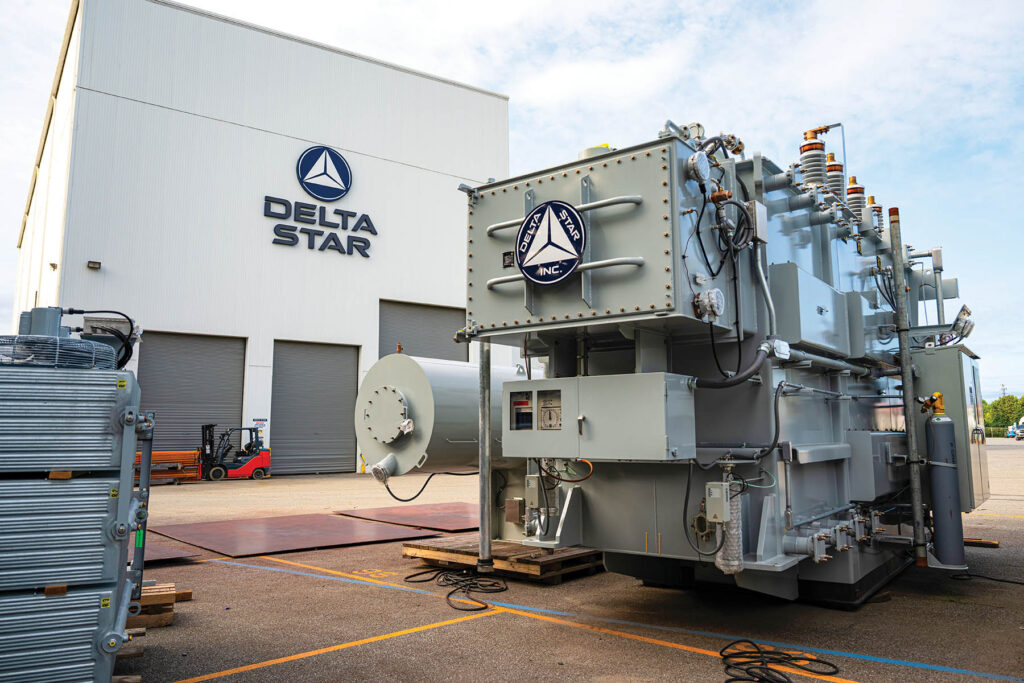
For Lynchburg, the acquisition comes as Delta Star is already working to increase the capacity of its local manufacturing operation. The company’s Lynchburg plant has been operational since 1962.
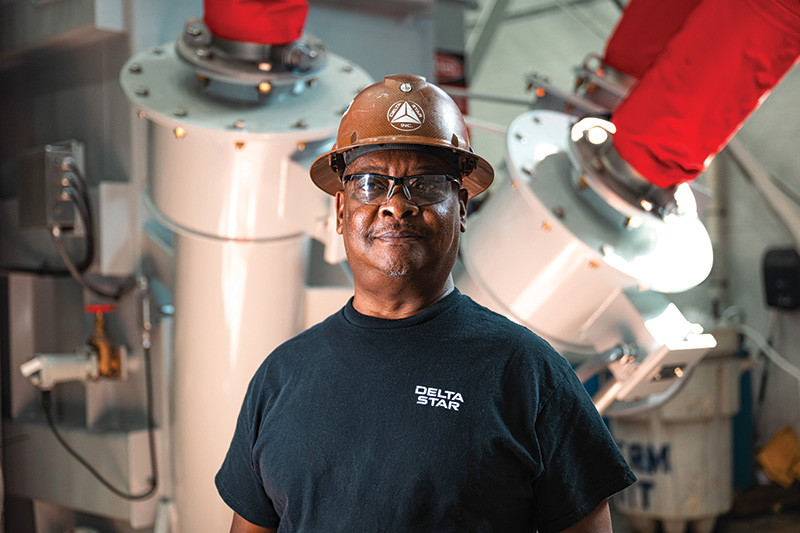
Keimig said Delta Star remains committed to the communities where it operates and intends to continue contributing to local economic growth.
“Delta Star remains committed to the communities where it operates and will continue to be an employer-of-choice and contributor to local economic growth,” he said.
The company employs more than 1,400 people across its operations. According to Keimig, increasing demand for power infrastructure solutions is driving Delta Star’s continued investment in its workforce and operations, as well as creating additional opportunities for growth.
One of the most visible signs of that growth in Lynchburg is the company’s ongoing Phase IV expansion, which was announced in April 2025.
Delta Star is currently focused on its day-to-day operations as well as completing the 80,000-square-foot expansion, Keimig said. Once completed, the project is expected to increase operational capacity in Lynchburg by 40%.
The acquisition could provide additional opportunities as demand for power solutions continues to increase, although Delta Star did not specify whether the transaction itself would result in additional jobs or new types of positions in Lynchburg.
“As the demand for power solutions continues to increase, Delta Star sees significant opportunities to expand capacity, strengthen operational capabilities, and deliver even greater value to customers which in turn positively impacts both employees and the local communities where Delta Star operates,” Keimig said.
For now, customers and employees should not expect an immediate change to the Delta Star name.
Keimig said Delta Star’s existing leadership team continues to lead the company and remains focused on employees, customers, and daily operations. There are also no immediate plans to change Delta
Star’s branding.
“Both Delta Star and MPS have built strong reputations in the industry, and our focus is on preserving those reputations while bringing together our complementary capabilities and product portfolios,” Keimig said. “Any future brand-related decisions will be evaluated thoughtfully and communicated at an appropriate time.”
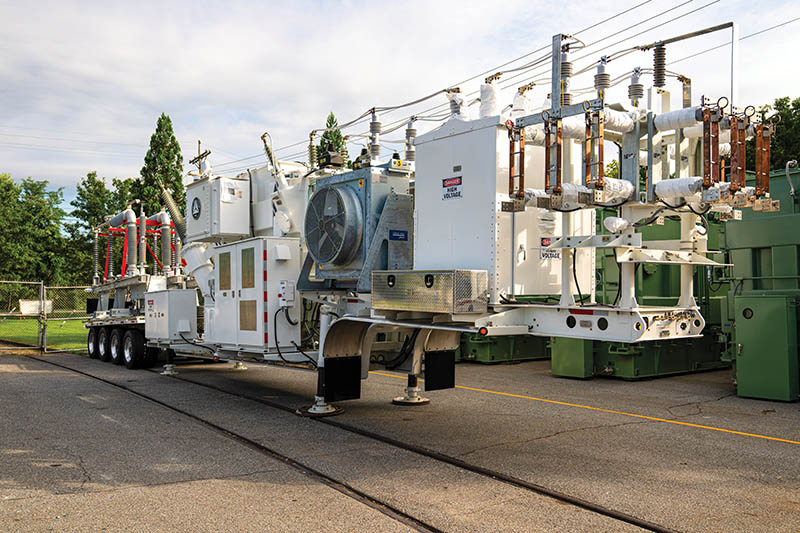
The combination of the two companies is also intended to strengthen their position as demand for electrical infrastructure grows.
Keimig said the acquisition will position Delta Star and MPS to respond to that demand as a combined company.
“This step positions both Delta Star and MPS to respond to that demand together as a joined force during a critical time where we are witnessing unprecedented, explosive growth across the energy sector,” he said.
Together, the companies plan to work toward becoming a leading North American manufacturer of mission-critical and engineered electrical utility components.
For Delta Star, the acquisition represents another development in a Lynchburg presence that stretches back more than six decades. Its Lynchburg manufacturing plant became operational in 1962, and the company’s current expansion is intended to substantially increase the capacity of that operation.
While Delta Star did not detail additional Lynchburg investments tied specifically to the acquisition, its ongoing expansion and statements about continued investment indicate that the local operation remains part of the company’s growth plans.
As the acquisition moves forward, Keimig said Delta Star’s focus remains on its employees, customers and operations while positioning the company to meet increasing demand for power infrastructure.