A Basic Guide to a Complex Entity
By: Emily Mook
The topic of data centers tends to generate intense debate and high-stakes discourse, and it is easy to determine why: these large-scale projects have the potential to create sweeping impacts on economic, environmental, and ethical levels. As communities around the world contend with conversations about these and other factors surrounding data center creation, the need for a basic understanding of these complex facilities has become more and more pressing.
These conversations are becoming increasingly prevalent in Virginia, which, according to the Virginia Economic Development Partnership, “hosts the largest data center market in the world and is home to 35 percent (almost 150) of all known hyperscale data centers worldwide.”
The resulting landscape is one characterized by tumultuousness and rapid change.
Rather than proffering a stance, the following guide seeks to inform those who choose to engage in conversations about data centers with basic facts about what they are and how they work, the three main types of centers, and a look at the factors communities like ours weigh when deciding whether or not to accept project proposals.
What Are Data Centers and How Do They Work?
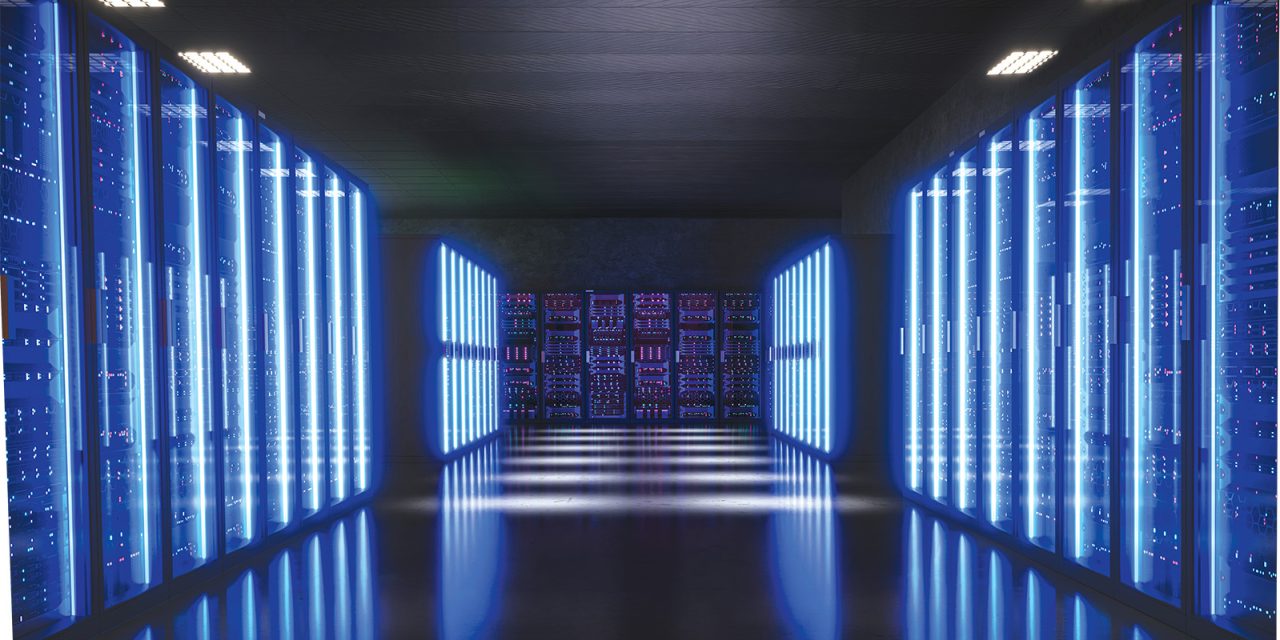
Although the data stored in data centers is intangible, its management and storage necessitate tangible equipment, which in turn necessitates physical housing. That tangible equipment is comprised not only of core information technology components like servers, storage systems, and networking hardware, but also of the infrastructure needed to store, power, and protect those components: racks, enclosures, uninterrupted power supplies, power distribution units, cables, cooling systems, and security and monitoring elements including cameras, biometric scanners, and environmental sensors. As such, it is easy to see why even non-hyperscale data centers require extensive physical space to effectively and efficiently process, store, and manage data.
Within those large physical structures, data center operations run 24 hours per day, seven days per week to provide continuous access—as demanded by individual users and businesses—to digital data and cloud services. Currently, these operations entail a mixture of automated tasks (such as real-time power and cooling adjustments and data traffic management) and manual tasks carried out either on site or remotely by people. On-site work includes such tasks as hardware installation and maintenance, cable management, critical infrastructure (such as generators and cooling systems) maintenance, and surveillance, while cloud technicians, data center engineers and architects, and project managers (among others) work remotely to monitor, manage, and troubleshoot within their respective fields.
As the use of artificial intelligence becomes increasingly prevalent—and as that artificial intelligence becomes increasingly sophisticated—the way that data centers work is sure to evolve rapidly. But one thing is certain: the demand for AI-ready data centers is on the rise. A recent McKinsey & Company analysis “suggests that demand for AI-ready data center capacity will rise at an average rate of 33 percent a year between 2023 and 2030 in a midrange scenario. This means that around 70 percent of total demand for data center capacity will be for data centers equipped to host advanced-AI workloads by 2030.”

Two Multiethnic Male Data Center System Administrators and IT Specialists Talk, Use Laptop. Information Technology Engineers work on Cyber Security Network Protection in Cloud Computing Server Farm.
What Are the Three Main Types of Data Centers?
Most AI-ready data centers are hyperscale data centers, which are the largest type of data center. They typically span between 100,000 and one million square feet and house more than 5,000 servers, and they are designed to support cloud-based applications and big data processing. Key examples of hyperscale data centers include campuses operated by Amazon Web Services, Microsoft Azure, Google Cloud Platform, Meta (Facebook), and Apple.
While hyperscale data centers provide cloud services to individual customers and businesses around the world, enterprise data centers are private, on-site facilities operated by individual companies for their own applications. Enterprise data centers tend to span between 20,000 and 100,000 square feet and house between 2,000 and 5,000 servers.
The third major type of data center is the colocation data center, which is a third-party facility where multiple businesses rent space and outsource their IT operations. Colocation facilities offer on-site power, equipment, cooling, security, and support services, and their size and scope can vary widely.
According to data from Synergy Research Group, a dramatic shift has occurred over the last six years in terms of global data center capacity disbursement among the three major data center types, and continued movement from enterprise to hyperscale data centers will persist. Synergy’s data shows that data centers operated by hyperscale companies “now account for 44 percent of the worldwide capacity of all data centers,” and that “with non-hyperscale colocation capacity accounting for another 22 percent of capacity, that leaves on-premise data centers with just 34 percent of the total.” Synergy goes on to say that these findings are “in stark contrast to six years ago, when almost 56 percent of data center capacity was in on-premise facilities” and that “looking ahead to 2030, hyperscale operators will account for 61 percent of all capacity, while on-premise will drop to just 22 percent.”
What Factors Do Communities Weigh When Data Center Projects Are Proposed?
As the demand for increasingly large and complex data centers increases, the stakes and number of factors that communities must weigh when these projects are proposed also increase. Central factors include economic impact
(specifically weighing tax incentives against tax income and infrastructure demands), power infrastructure and sustainability, environmental impacts (especially consumption of water used for cooling and noise pollution), and extensive changes to community character (particularly in terms of aesthetics, zoning, and traffic).
Conversations about these and other factors—and the decisions that ultimately follow—are now an indelible part of Virginia’s landscape. As the state with the most planned data centers (287, according to Pew Research Center data as of April 2026), Virginia is a key player in ongoing data center discourse. As opinions run rampant and emotions run high, the importance of research-backed knowledge cannot be overstated. Community decision-makers have a responsibility to educate themselves about data centers, and citizens would also benefit greatly from that endeavor.